
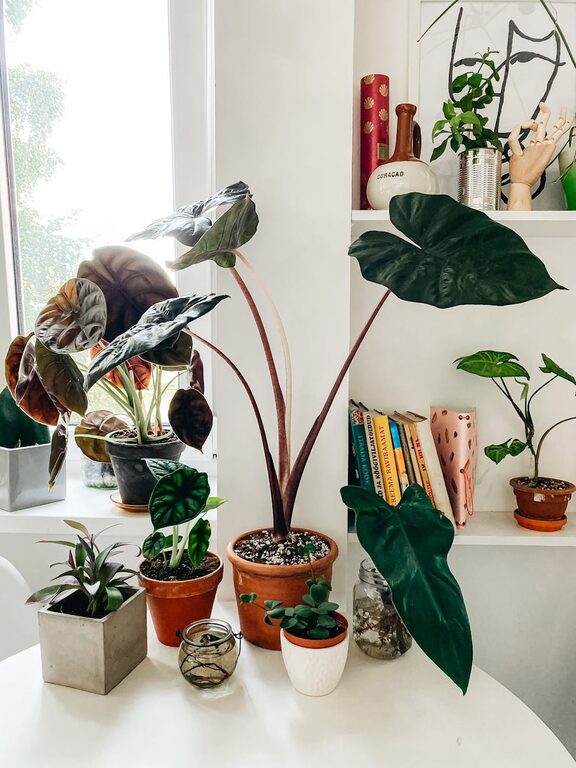
Bringing houseplants into your home is a wonderful way to add natural beauty, improve air quality, and create a calming environment. However, keeping them healthy requires more than just watering them occasionally. Whether you’re a seasoned plant parent or just starting your indoor garden, these essential tips will help your green friends thrive.
Understanding Your Houseplant’s Needs
Each plant has unique requirements based on its species and natural habitat. Learning about your specific plants is the best first step.
Research Your Plant Type
– Light requirements: Some plants need bright, direct sunlight, while others thrive in low-light conditions.
– Water needs: Overwatering and underwatering are common mistakes. Know how often your plant prefers moisture.
– Humidity preferences: Tropical plants usually enjoy higher humidity, while desert plants prefer dry air.
Choosing the Right Location
Placement is critical to your plant’s health.
Light Exposure
Place plants near windows that provide the right amount of light. South-facing windows are typically best for sun-loving plants, while north-facing spots often work well for shade-tolerant varieties.
Avoid Drafts and Temperature Fluctuations
Keep plants away from air conditioners, heaters, and frequently opened doors or windows, as sudden temperature changes can stress them.
Watering Wisely
Watering is one of the most important aspects of plant care, but it can be tricky.
How to Water
– Check the soil moisture before watering. Stick your finger about an inch into the soil—if it feels dry, it’s time to water.
– Water thoroughly, allowing excess to drain out of the pot’s bottom.
– Avoid letting plants sit in standing water to prevent root rot.
Adjust for Seasons
Plants generally need more water during the growing season (spring and summer) and less during dormant periods (fall and winter).
Feeding Your Plants
Proper nutrition supports strong growth and vibrant foliage.
Use the Right Fertilizer
– Choose a balanced, water-soluble fertilizer made specifically for houseplants.
– Follow the instructions carefully to avoid overfeeding, which can harm your plant.
Feeding Schedule
Most houseplants benefit from feeding every 4-6 weeks during spring and summer. Reduce or stop fertilizing in fall and winter.
Maintaining Healthy Soil and Potting
Quality soil and pots directly affect plant health.
Soil Mix
Use a well-draining potting mix suited to your plant’s needs. For example, cactus soil is ideal for succulents and desert plants.
Repotting
Repot plants every 1-2 years or when they outgrow their pots. Fresh soil and slightly larger containers help roots expand and prevent nutrient depletion.
Managing Pests and Diseases
Watch for signs of pests or disease to keep plants healthy.
Common Pests
– Aphids
– Spider mites
– Mealybugs
– Fungus gnats
Prevention and Treatment
– Inspect plants regularly, especially new ones.
– Wipe leaves with a damp cloth and try natural remedies like insecticidal soap or neem oil if pests appear.
– Remove diseased parts promptly to prevent spread.
Pruning and Grooming
Regular grooming keeps plants looking neat and encourages growth.
Prune Dead or Yellowing Leaves
Removing unhealthy foliage directs energy to healthy parts and reduces disease risk.
Pinching and Trimming
Pinch back leggy stems to encourage bushier growth.
Monitoring Your Plants
Pay attention to your plants’ appearance and behavior.
Signs of Stress
– Wilting or drooping leaves
– Yellowing or browning
– Leaf drop
– Slow or no growth
Early detection helps you adjust care—like changing light, watering, or feeding habits—to keep plants healthy.
Additional Tips for a Thriving Indoor Garden
– Rotate your plants regularly to ensure even growth.
– Clean plant leaves occasionally to remove dust and improve photosynthesis.
– Consider grouping plants to create a micro-humid environment.
—
With consistent care and attention to their specific needs, your houseplants can thrive and bring joy to your living space for years to come. Happy planting!